Orthodontic dentistry is a branch of dentistry specializing in the diagnosis, prevention, and correction of malocclusion, tooth misalignment, and jaw irregularities. Its primary goal is to ensure proper tooth positioning, harmonious occlusion, and an aesthetically pleasing smile, contributing not only to improved appearance but also to oral health. Orthodontics is closely integrated with therapeutic, orthopedic, and surgical dentistry, providing a comprehensive approach to treatment.
Key Areas of Orthodontic Dentistry
Orthodontics encompasses a wide range of methods and procedures aimed at correcting dentofacial anomalies. The main areas include:
1. Bite Correction
Malocclusion can cause issues with chewing, speech, aesthetics, and dental health. Orthodontics addresses various types of bite abnormalities, such as:
-
Distal bite: The upper jaw significantly protrudes over the lower jaw.
-
Mesial bite: The lower jaw extends forward relative to the upper jaw.
-
Open bite: Lack of contact between teeth in certain areas.
-
Deep bite: Excessive overlap of upper teeth over lower teeth.
-
Crossbite: Incorrect transverse alignment of teeth.
2. Tooth Alignment
Orthodontics corrects crowding, gaps between teeth (diastema or spacing), and misalignment of individual teeth. This is achieved using various orthodontic appliances.
3. Prevention and Early Intervention
Early orthodontic treatment, especially in children, helps prevent severe anomalies in the future. Key measures include:
-
Jaw growth control: Using orthodontic appliances to guide jaw development.
-
Preventive plates: Applied in children to correct habits (e.g., thumb-sucking) and prevent anomalies.
-
Removal of primary teeth: In some cases, necessary to ensure proper eruption of permanent teeth.
4. Aesthetic Orthodontics
Modern orthodontics places significant emphasis on aesthetics, offering solutions that are minimally noticeable:
-
Clear aligners: Invisible trays for gradual tooth alignment.
-
Lingual braces: Placed on the inner surface of teeth, making them invisible.
-
Ceramic braces: Aesthetic appliances that closely match the natural tooth color.
Key Techniques and Technologies
Orthodontic dentistry employs advanced technologies and appliances to achieve optimal results:
1. Diagnostic Methods
-
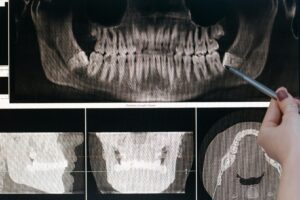
Digital radiography and CT: Provide precise imaging of teeth, jaws, and bite for treatment planning.
-
Intraoral scanning: Creates digital 3D models of dental arches, replacing traditional impressions.
-
Cephalometric analysis: Examines cranial and jaw proportions to assess anomalies.
2. Orthodontic Appliances
-
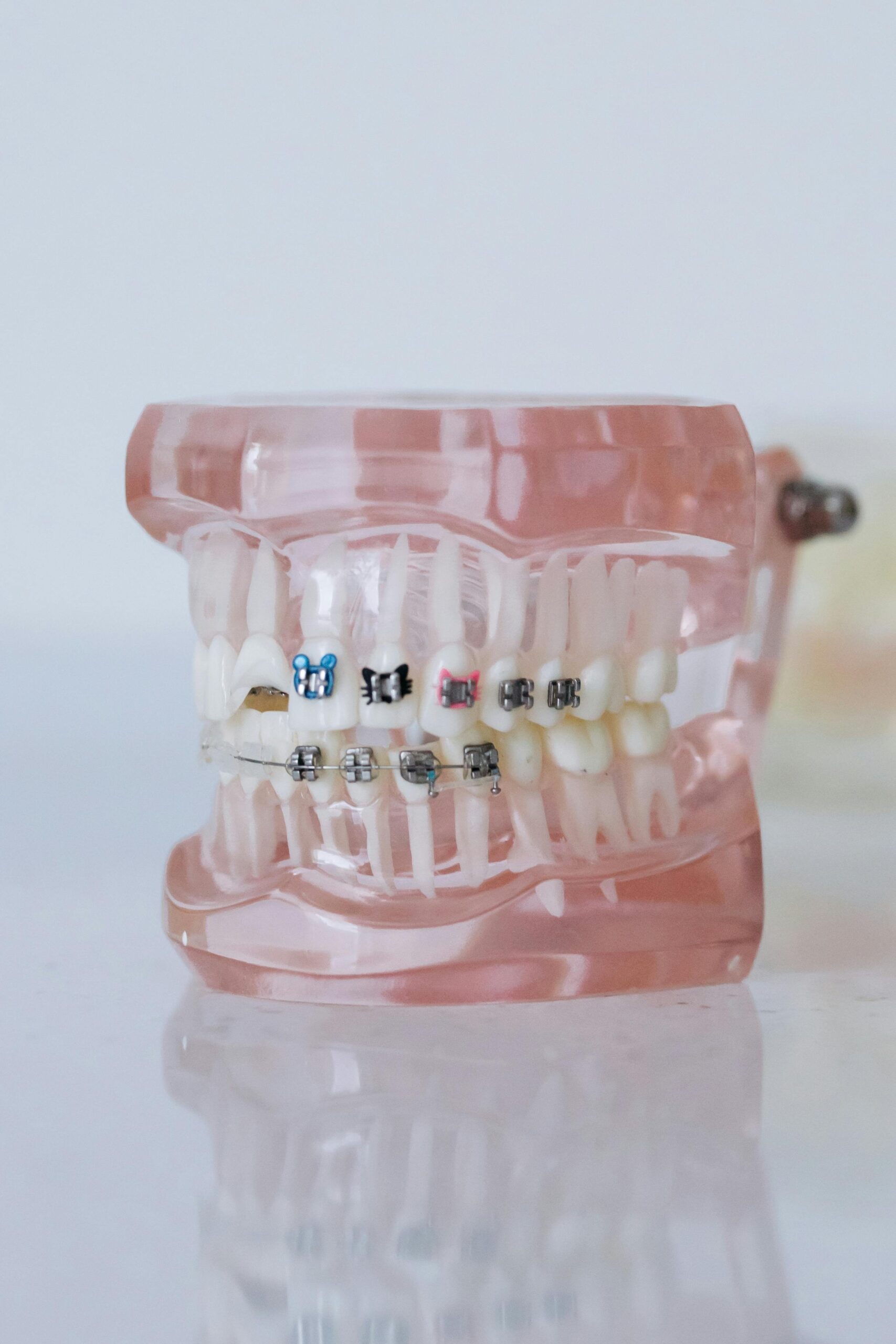
Braces: Metal, ceramic, sapphire, or lingual systems fixed to teeth for movement.
-
Aligners: Clear, removable trays custom-made using computer modeling.
-
Removable plates: Primarily used in children to correct bite and jaw growth.
-
Functional appliances: Guide jaw growth and bite correction in children and adolescents.
-
Orthodontic mini-implants: Temporary anchorage devices to enhance control over tooth movement.
3. Treatment Technologies
-
CAD/CAM systems: Used for designing and manufacturing aligners and other custom appliances.
-
3D printing: Applied to create dental models and orthodontic appliances.
-
Biomechanics: Precise calculation of forces needed for tooth movement using advanced software.
4. Retention
After active treatment, stabilization is necessary to prevent teeth from shifting back:
-
**Retainers…: Fixed or removable appliances to maintain teeth in their new position.
-
Retention trays: Clear trays worn at night to stabilize results.
Benefits of Orthodontic Dentistry
-
Improved oral health: Proper bite reduces the risk of caries, periodontitis, and tooth wear.
-
Aesthetics: Aligning teeth and correcting the bite enhance the smile and facial appearance.
-
Functionality: Restores normal chewing, speech, and breathing.
-
Long-term results: With adherence to recommendations, treatment effects last a lifetime.
Conclusion
Orthodontic dentistry plays a crucial role in creating a healthy, functional, and aesthetically pleasing smile. Thanks to modern technologies such as clear aligners, digital modeling, and 3D printing, orthodontic treatment has become more comfortable, precise, and accessible. Early consultation with an orthodontist, especially for children, helps prevent severe anomalies, while adults can achieve an ideal smile. Regular follow-ups with an orthodontist and adherence to post-treatment care ensure long-lasting results and optimal oral health.