Dental implantation is an advanced branch of surgical dentistry focused on restoring missing teeth by placing artificial roots (implants) into the jawbone. This method restores the functionality and aesthetics of the dental arch, providing a durable and natural-looking solution. Implantation is closely linked with orthopedic dentistry, as implants serve as a foundation for crowns, bridges, or prostheses. Due to its high effectiveness and reliability, dental implants have become the gold standard for tooth restoration.
Key Areas of Implantation
Implantation encompasses various approaches and techniques aimed at restoring missing teeth and improving patients’ quality of life. The main areas include:
1. Single Implant Placement
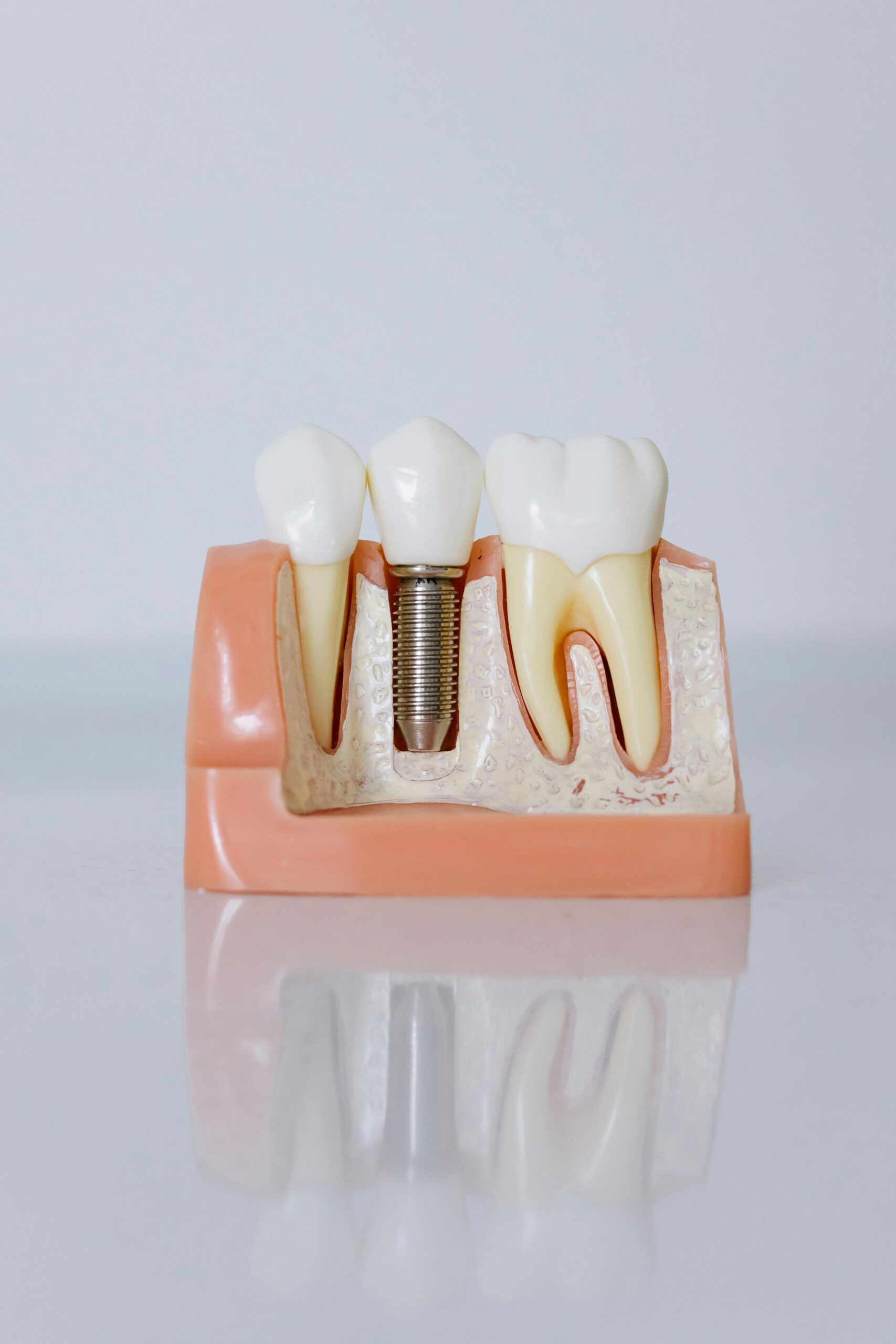
Single implants are used to replace a single missing tooth. The implant, typically a titanium screw, is inserted into the bone and serves as a base for a crown. This approach:
-
Restores the aesthetics and function of the tooth without affecting adjacent teeth.
-
Ensures the longevity of the structure (with proper care, implants can last decades).
-
Preserves bone tissue, preventing its atrophy.
2. Implant-Supported Bridge Structures
For the loss of multiple consecutive teeth, bridge prostheses supported by implants are used. This solution:
-
Replaces several teeth, providing secure fixation.
-
Reduces the number of implants needed compared to single restorations.
-
Is suitable for patients with partial edentulism (tooth loss).
3. Full Arch Reconstruction
For patients with complete edentulism (absence of all teeth), full implantation protocols are applied:
-
All-on-4: A prosthesis supported by four implants, two of which are placed at an angle for optimal load distribution.
-
All-on-6: Uses six implants for greater stability and durability.
-
Implant-supported removable prostheses: Offer reliable fixation compared to traditional removable prostheses.
4. Bone Grafting and Preparation for Implantation
Successful implantation requires sufficient bone volume and density. If the bone is atrophied, the following techniques are used:
-
Bone augmentation: Rebuilding bone using autogenous (patient’s own), allogeneic (donor), or synthetic materials.
-
Sinus lifting: Elevating the maxillary sinus floor to increase bone volume in the upper jaw. This can be open (for significant atrophy) or closed (less invasive).
Key Techniques and Technologies
Modern implantation employs advanced technologies to enhance precision, safety, and patient comfort:
1. Diagnostics and Planning
-
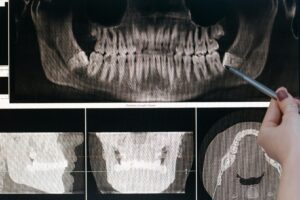
Digital radiography and CT: Provide accurate imaging of the jawbone, nerves, and blood vessels for implantation planning.
-
3D modeling: Enables the creation of virtual jaw models to plan optimal implant placement.
-
Intraoral scanning: Replaces traditional impressions, providing precise digital imprints for crown and prosthesis fabrication.
2. Surgical Techniques
-
Classic two-stage implantation: Involves implant placement followed by an osseointegration period (3–6 months), after which an abutment and crown are installed.
-
One-stage implantation: The implant and a temporary crown are placed in a single visit, reducing treatment time.
-
Navigational surgery: Uses surgical guides based on 3D models for precise implant placement.
-
Piezosurgery: Ultrasonic tools for minimally invasive bone cutting, reducing tissue trauma.
3. Materials
-
Titanium implants: Biocompatible material ensuring high strength and integration.
-
Zirconia implants: An alternative for patients with metal allergies or high aesthetic demands.
-
Bone substitute materials: Used for bone grafting, including synthetic and biological materials.
-
Abatments and crowns: Made from ceramic, zirconia, or metal-ceramic for aesthetics and durability.
4. Anesthesia and Sedation
-
Local anesthesia: Ensures pain-free implant placement.
-
Sedation: Used for patients with high anxiety or during lengthy procedures.
-
General anesthesia: Applied in complex cases or for multiple implant placements.
Benefits of Implantation
-
Durability: Implants can last decades with proper care.
-
Natural appearance: Crowns on implants are indistinguishable from natural teeth.
-
Bone preservation: Implants prevent jawbone atrophy by stimulating natural load.
-
Functionality: Restores full chewing, speech, and aesthetics.
-
Minimal impact on adjacent teeth: Unlike bridge prostheses, implants do not require grinding healthy teeth.
Possible Complications and Their Prevention
Despite high reliability, implantation may involve risks, such as:
-
Peri-implantitis: Inflammation of tissues around the implant, prevented by thorough hygiene and regular check-ups.
-
Implant rejection: A rare complication related to individual patient factors or improper installation technique.
-
Infections: Minimized by using antiseptics and sterile conditions.
Prevention includes:
-
Thorough pre-surgical diagnostics.
-
Adherence to post-implantation oral care recommendations.
-
Regular dental visits to monitor implant condition.
Conclusion
Dental implantation is a highly effective method for restoring missing teeth, combining functionality, aesthetics, and durability. With modern technologies like 3D modeling, navigational surgery, and piezosurgery, procedures have become more precise, safe, and comfortable for patients. Implantation not only restores a beautiful smile but also prevents bone atrophy, maintaining oral health. Regular follow-ups with an implantologist and adherence to care recommendations ensure long-term treatment success.