Therapeutic Dentistry: Fundamentals and Techniques
Therapeutic dentistry is a foundational branch of dentistry focused on the prevention, diagnosis, and treatment of diseases affecting teeth and soft tissues of the oral cavity. Its primary goal is to preserve natural teeth, restore their function and aesthetics, and prevent complications. Therapeutic dentistry encompasses a wide range of procedures, from treating caries to complex endodontic interventions, serving as the basis for other dental disciplines such as orthodontics, prosthodontics, and surgery.
Key Areas of Therapeutic Dentistry
Therapeutic dentistry includes several core areas, each addressing specific oral health issues:
1. Prevention
Prevention is the cornerstone of therapeutic dentistry, aimed at averting diseases of the teeth and gums, such as caries, gingivitis, and periodontitis. Key preventive measures include:
-
Professional oral hygiene: Removal of dental plaque and tartar using ultrasonic scaling and Air Flow techniques.
-
Fluoridation: Application of fluoride-containing compounds to strengthen enamel.
-
Hygiene education: Guidance on proper tooth brushing, flossing, and use of mouthwashes.
-
Fissure sealing: Sealing natural grooves on the chewing surfaces of teeth to prevent caries.
2. Caries Treatment
Caries is one of the most common dental diseases, caused by enamel demineralization due to bacterial activity. Therapeutic dentistry offers the following treatment methods:
-
Remineralization: At early stages of caries (white spot stage), fluoride-based agents are used to restore enamel.
-
Filling: Removal of affected tooth tissues followed by filling the cavity with materials such as composite or glass ionomer cement.
-
Aesthetic restoration: Restoring the shape and color of the tooth using modern composite materials.
3. Endodontics
Endodontics involves the treatment of root canals, necessary for complications of caries such as pulpitis or periodontitis. Key stages include:
-
Diagnosis: Using radiography or computed tomography to assess the condition of root canals.
-
Canal cleaning: Removal of infected pulp and treatment of canals with antiseptics.
-
Canal filling: Sealing the canals with gutta-percha or other materials to prevent reinfection.
-
Quality control: Follow-up X-rays to verify the integrity of the filling.
4. Treatment of Gum Diseases
Therapeutic dentistry also addresses gingivitis and periodontitis—inflammatory conditions of the soft tissues. Methods include:
-
Removal of dental deposits: Eliminating plaque and tartar that cause inflammation.
-
Medication therapy: Use of antiseptic gels and mouthwashes.
-
Platelet-rich plasma (PRP) therapy: Injections of platelet-rich plasma to stimulate gum tissue regeneration and accelerate healing.
5. Aesthetic Procedures
Modern therapeutic dentistry includes procedures aimed at improving the appearance of teeth:
-
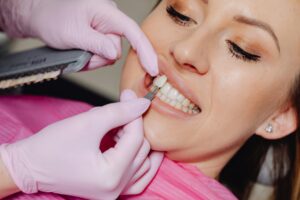
Teeth whitening: Using chemical or laser methods to lighten enamel.
-
Veneers: Placement of thin ceramic or composite overlays to correct the shape and color of teeth.
-
Restoration of chips and cracks: Repairing damaged teeth while preserving their natural appearance.
Key Techniques and Technologies
Modern therapeutic dentistry employs advanced technologies and materials to enhance treatment efficacy and patient comfort:
1. Diagnostic Methods
-
Digital radiography: Provides high-precision imaging with minimal radiation exposure.
-
Intraoral cameras: Allow patients to view the condition of their teeth and gums on a screen.
-
Laser caries detection: Identifies carious lesions at early stages without the need for X-rays.
2. Tools and Materials
-
Composite materials: Modern fillings that mimic the color and structure of natural teeth.
-
Endodontic microscopes: Enhance precision during root canal treatments.
-
Inlays: Laboratory-made ceramic or composite restorations for durable and aesthetic tooth repair.
3. Anesthesia
-
Local anesthesia: Ensures painless treatment using modern anesthetics.
-
Sedation: Used for patients with dental phobia to reduce anxiety.
Benefits of Therapeutic Dentistry
-
Tooth preservation: Emphasis on minimally invasive methods to save natural teeth.
-
Aesthetics: Restoration of teeth with consideration for their natural appearance.
-
Comfort: Modern technologies make procedures virtually painless.
-
Prevention: Avoiding serious complications such as tooth loss or infections.
Conclusion
Therapeutic dentistry is the foundation of oral health, combining prevention, treatment, and aesthetics. With modern techniques and technologies, dentists can effectively address a wide range of issues, from early-stage caries to complex endodontic procedures. Regular visits to a therapeutic dentist and adherence to preventive measures ensure a healthy and beautiful smile for years to come.